ServicesLandscape Design
Landscape Design in Kissimmee
We design yards meant to be lived with for a long time. That means plants spaced for their mature size, beds shaped for easy edging, and irrigation that matches what is growing. It starts with a walk around your home and an honest conversation.
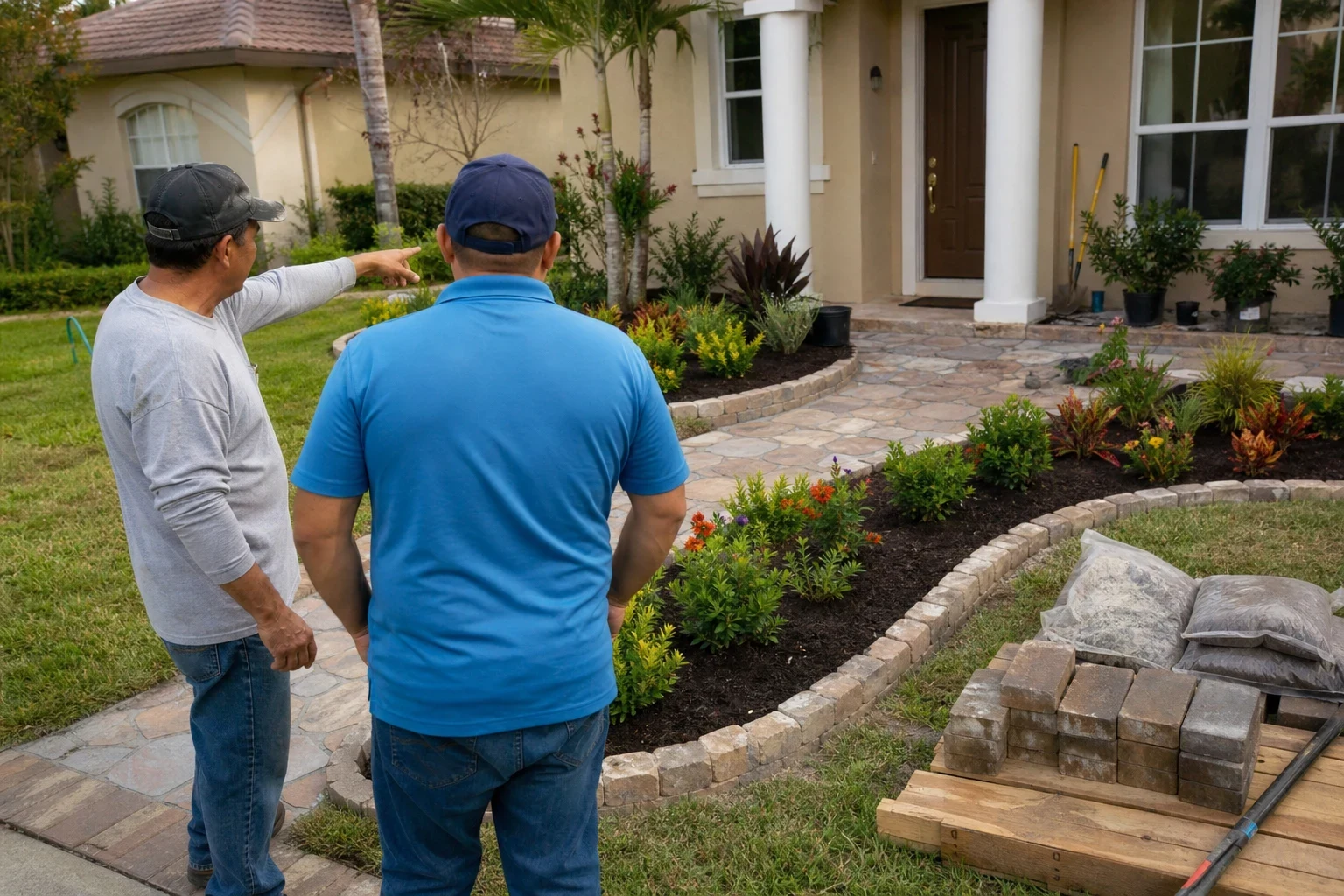
A design that still looks right in five years
Most landscapes fail slowly. A hedge planted too close to the house starts rubbing the stucco. A shade plant ends up in full afternoon sun. Turf runs into a corner the mower cannot reach. None of it looks wrong on install day, which is why we draw every plan with the third and fifth year in mind.
Our landscape design work covers new layouts and the reworking of tired ones. Often the best plan keeps your healthy trees and established shrubs and builds around them, because a mature plant already has a root system that new stock needs years to grow. Ours is a family-owned company, it has been in business since 2018, and it is business licensed. Given the choice, we would point out what deserves to stay before we ever suggest a full tear-out.
What the design covers
- Site and soil read
- We note sun exposure through the day, where water sits after a storm, and how the sandy soil drains in each part of the yard. These details decide what will thrive and what will struggle.
- Plant selection by mature size
- We choose plants for how big they will get, not how they look in the nursery pot. Spacing is set so beds grow together without crowding, which cuts pruning and keeps air moving through the foliage.
- Bed lines and edges
- Curves are drawn wide enough for a mower to follow and edges are planned so mulch stays put. Clean lines are the difference between a yard that holds its shape and one that blurs every season.
- Water zoning
- Plants with similar water needs are grouped together, so your irrigation zones can run on sensible schedules. If the existing system needs changes, we plan them with our irrigation work in mind.
- Hardscape placement
- Paths, borders and patio edges are sketched where they make sense for foot traffic and drainage, ready for hardscape installation if you want it.
- A plan you can phase
- Not every yard gets done at once. We can split the plan into stages so each one stands on its own while the next is planned.
When a new design is worth it
Shrubs fighting the house
Foundation plantings that touch walls, windows or the roofline were usually placed too close. Trimming them back each month treats the symptom, not the layout.
Bare or patchy beds
Gaps that stay bare year after year often mean the wrong plant for the light or the soil. Replacing like for like just repeats the problem.
Water bills that keep climbing
When thirsty plants and drought-tolerant ones share a zone, one group is always over or under watered. A regrouped layout fixes that at the source.
A yard you avoid
If the backyard has no shade, no path and no place to sit, it simply goes unused. Good design gives it a purpose.
Getting ready to sell or settle in
New owners often inherit a dated layout. A clear plan lets you invest in the parts that matter first.
What shapes the cost of a design
Every yard is priced on its own after we have walked it. The plan itself and the installation are separate parts, and we lay out both in writing so you know what each covers. Larger projects can be financed: we can arrange up to $100,000, repaid over a period you pick between two and twelve years, and paying the balance off early carries no penalty.
How much of the yard changes
A single front bed is a different project from a full front and back redesign. Phasing can spread the work out.
What stays and what goes
Keeping healthy trees and shrubs lowers cost. Removing old plantings, roots or stumps adds labor and haul-away.
Plant size at install
Larger container sizes give an instant look but cost more. Smaller stock costs less and grows into its space over a few seasons.
Soil and grade work
Low spots that hold water or beds that need amended soil take extra preparation before planting.
Irrigation and hardscape
Moving sprinkler heads, adding drip lines or setting pavers and borders each add to the total.
How a design project runs
- 1
Walkthrough at your home
We meet you on site, walk the whole property and listen to how you use the space. We point out what is healthy and worth keeping, and what is likely to cause trouble.
- 2
Measured plan and plant list
We draw the layout to scale with plant names, quantities and spacing. You see where beds, turf and any hardscape will go before anything is dug.
- 3
Review and adjust
We go through the plan together and change what does not feel right. If your community has an HOA, we make sure the drawing and plant list are clear enough for the board to review.
- 4
Installation and handoff
Our crew prepares the soil, plants, mulches and sets edges, then cleans up the site. We leave you with simple care notes so the yard grows the way it was drawn.
Landscape design questions
Do I have to replace everything to get a new design?
No. Many of our plans keep established trees and healthy shrubs and work new plantings around them. Mature plants are valuable, and keeping them often makes the yard look finished sooner.
Which plants hold up best here?
Plants that handle summer heat, heavy afternoon rain and the occasional winter cold snap do best. We lean toward Florida-friendly choices and match each one to its spot in your yard, since sun and drainage change a lot from front to back.
Can you help with HOA approval?
We provide a clear, scaled plan with a plant list that you can hand to your association. Approval itself rests with the HOA, so we suggest getting their sign-off before you schedule installation.
How much upkeep will the new yard need?
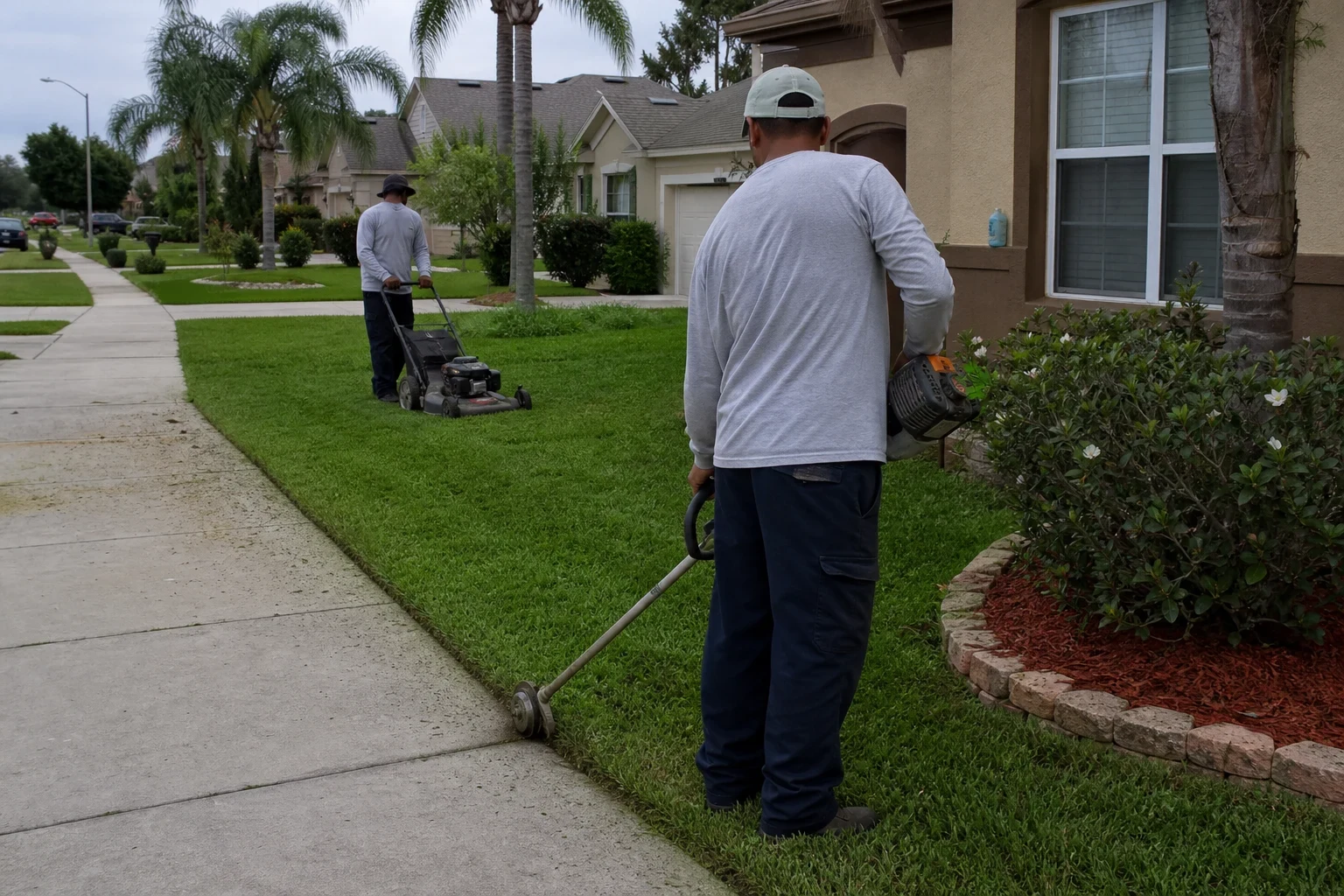
Less than most people expect, because spacing and plant choice do much of the work. You will still need regular mowing, mulch refreshes and occasional pruning, and we offer lawn care and mulch and beds service if you would rather hand that off.
Is the walkthrough really free?
Yes. The on-site walkthrough and estimate cost nothing, and there is no obligation to move forward.
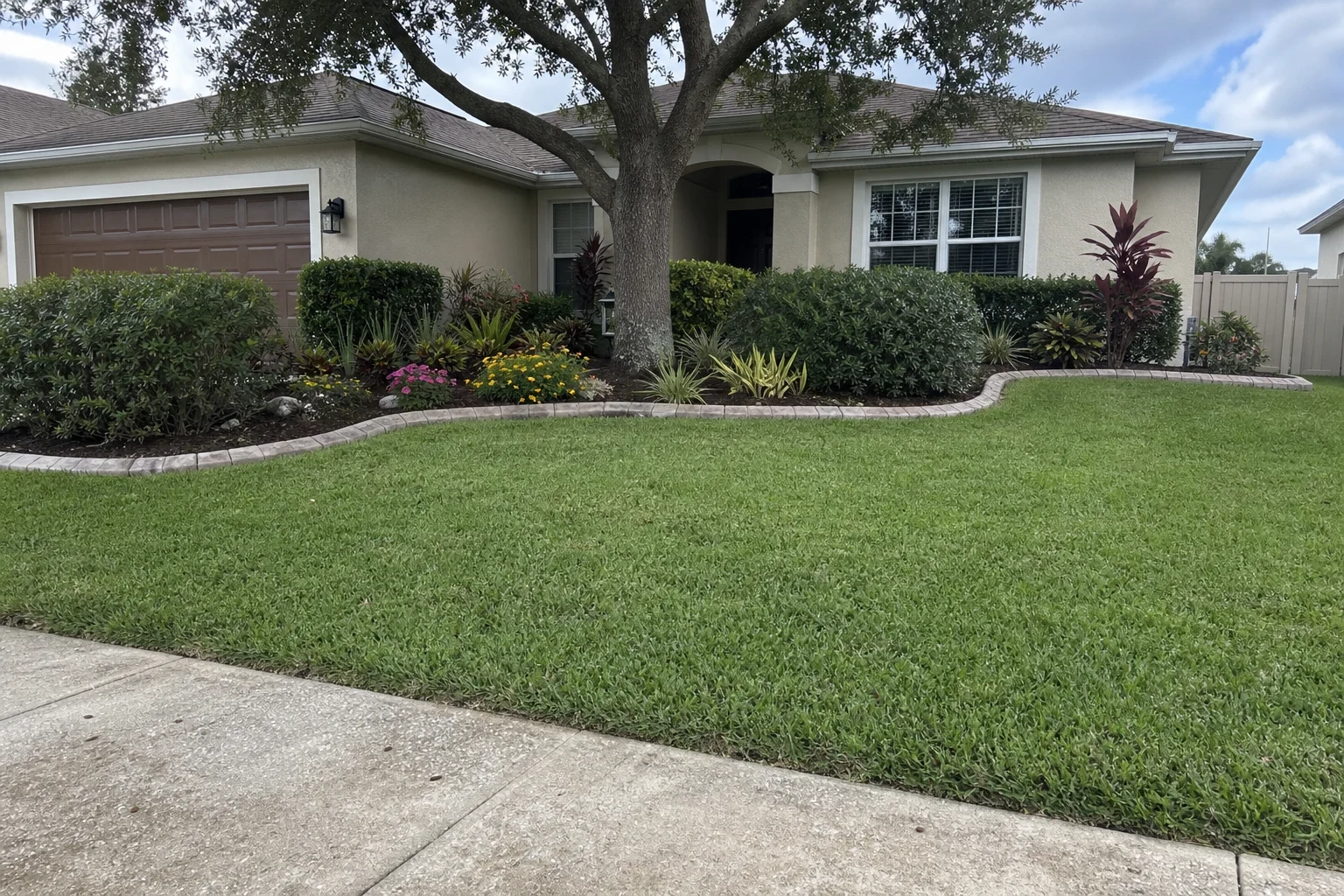
See your yard through a designer's eyes
On the visit we study the plants, soil and layout already in place and talk through which pieces are worth building on. By the time we leave, you will know what a new design could look like and what it would take.