ServicesIrrigation
Irrigation Service in Kissimmee
We repair, adjust and maintain sprinkler systems so water reaches your lawn and beds, and nowhere else. Most systems we see don't need replacing. They need clean heads, a sensible schedule and a few fixed leaks, and then they keep running well for years.
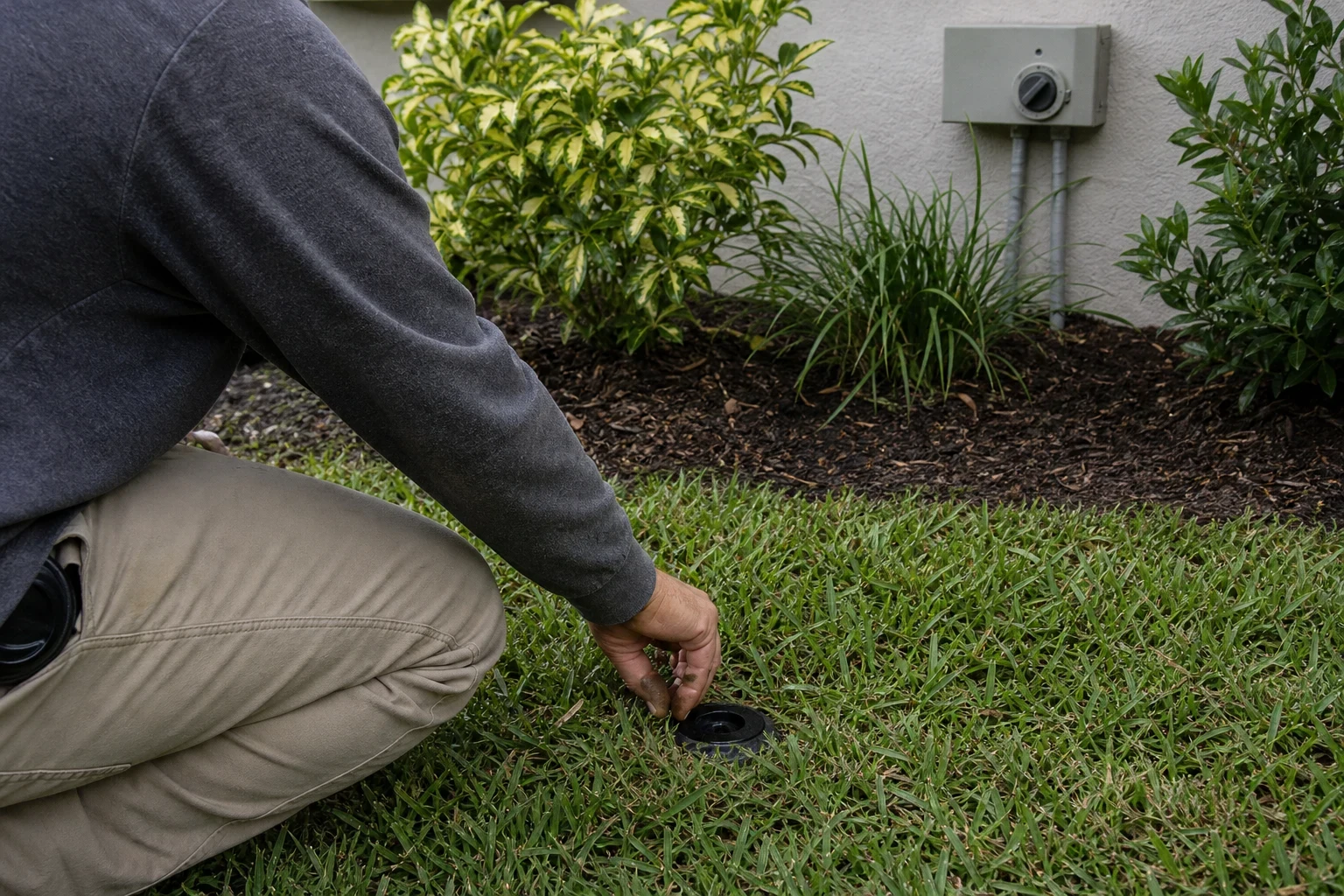
Keeping the system you have working well
An irrigation system is a set of parts that wear at different rates. Nozzles clog with sand, heads tilt as turf grows around them, valves weep, and controllers keep running a schedule someone set years ago. Left alone, each small fault wastes water and stresses the plants it was meant to protect.
Our approach is upkeep first. We find the faults, fix them with matching parts and set a schedule that fits the season and your local watering days. Replacement comes up only when a part, or a whole zone, is past saving, and we show you why.
Landscaping Kissimmee has been in business since 2018. We're family-owned, and the business is licensed. Irrigation ties the rest of our work together, because even coverage is what keeps new sod rooting, beds filling in and lawn care results from fading in a dry spring.
Repairs and adjustments we handle
Testing one zone at a time
We switch on each zone separately and stand where the water lands. Heads that stay down, spray striking the driveway or siding, dry arcs, fine misting from excess pressure and wet ground that hints at a buried leak all get noted.
Head and nozzle repair
Broken, sunken and clogged heads are replaced or raised to grade. We keep nozzle types consistent within a zone, since mixing rotors and sprays is a common cause of patchy coverage.
Valve and line repair
Weeping valves, cracked lateral lines and failed fittings are dug out and repaired cleanly. We set the turf back over the trench so the repair is hard to find a few weeks later.
Controller and rain sensor setup
We set run times for each zone based on what it waters, shade or full sun, turf or beds. Florida law calls for a functioning rain shutoff device on automatic sprinklers, so we trigger yours by hand to confirm it stops the cycle and replace it when it no longer does.
Drip conversions for beds
Shrub and flower beds often do better on low-volume drip than on spray heads. Drip puts water at the roots and keeps it off fresh mulch and the walls of your home.
Seasonal schedule changes
A dry spring and a stormy summer call for different schedules. We adjust the controller as the seasons turn, so the lawn isn't watered on top of afternoon rain.
Signs your sprinklers need attention
Brown patches in a green lawn
Dry arcs or circles usually trace back to a blocked nozzle, a tilted head or a head that's been mowed over. It's rarely the grass itself.
Water running down the street
Overspray on pavement and runoff at the curb mean heads are aimed wrong or sized wrong for the area.
A water bill that keeps climbing
A steady jump with no change in habits often points to a leaking valve or a broken line under the turf that never shows on the surface.
Soggy spots and mushrooms
Ground that stays wet between cycles invites fungus in St. Augustine grass and can rot shrub roots.
Rust stains on walls and walks
Orange streaks usually mean well water is landing on hard surfaces. Re-aiming heads keeps that water on the plants.
Watering in the rain
If the system runs through a storm, the rain sensor has failed or was never connected.
How a service visit goes
- 1
A free walkthrough
Give us a call and we'll set a time to walk your property with you. We ask what you've noticed, then check the controller, the backflow device and each zone.
- 2
Written findings
You get a plain list of what we found, with photos of the problem heads and leaks, and a line-item estimate. We tell you which fixes matter now and which can wait.
- 3
Repair day
We flag the heads, shut off water at the right point and dig only where we need to. Repairs use parts that match your existing system so zones stay balanced.
- 4
Test and set
Each zone runs again after the work. We set the schedule, test the rain sensor and show you the controller so you can make small changes yourself.
- 5
Ongoing checkups
Many customers have us back a couple of times a year to catch small problems early. It is the simplest way to keep an older system running for years longer.
What affects the cost of irrigation work
Most irrigation work comes down to how many zones need attention and what we find once the ground is open. We price after the walkthrough, in writing, so you see each repair before we start. Nothing is added without your approval.
- Number of zones
- A small yard with three zones takes far less time to inspect and adjust than a corner lot with ten.
- Age of the parts
- Older systems may use discontinued heads or valves. Matching them, or moving a zone to one consistent type, changes the parts list.
- Where the leak is
- A leak in open turf is a short dig. One under a walkway edge, a driveway or a mature bed takes more care to reach and restore.
- Upgrades and additions
- Switching beds to drip, adding a zone for new plantings or replacing a controller adds materials and labor.
Irrigation questions we hear
Something not covered here? (407) 972-1906
Do I need a new system, or can mine be fixed?
Most of the time it can be fixed. Heads, nozzles, valves and controllers are all replaceable on their own, and the pipe underground often outlasts the parts above it. We suggest rebuilding a zone only when the pipe is brittle or the layout can't cover the area, and we show you what we saw.
How often should my sprinklers run?
It depends on the season, your grass and the sun each zone gets. Sandy soil drains fast, so shorter, early-morning cycles usually work better than long ones. We set the schedule to follow the watering days allowed for your address.
Will a repair tear up my lawn?
Very little. We open a narrow trench, lift the sod in clean pieces and lay it back over the finished repair. The seam usually shows for a week or two, then the grass knits back together.
Can you set up watering for new sod?
Yes. New sod needs frequent, light watering for the first few weeks, then a gradual cutback. We program the controller for that period and adjust it again once the roots take hold. Our sod installation page covers the rest of that process.
Can I spread out the cost of a bigger irrigation project?
You can. Financing reaches as high as $100,000, repayment terms run anywhere from 2 to 12 years, and paying the balance off early carries no penalty. If a zone rebuild or a bed conversion ends up on your estimate, bring it up during the walkthrough and we'll go over it.
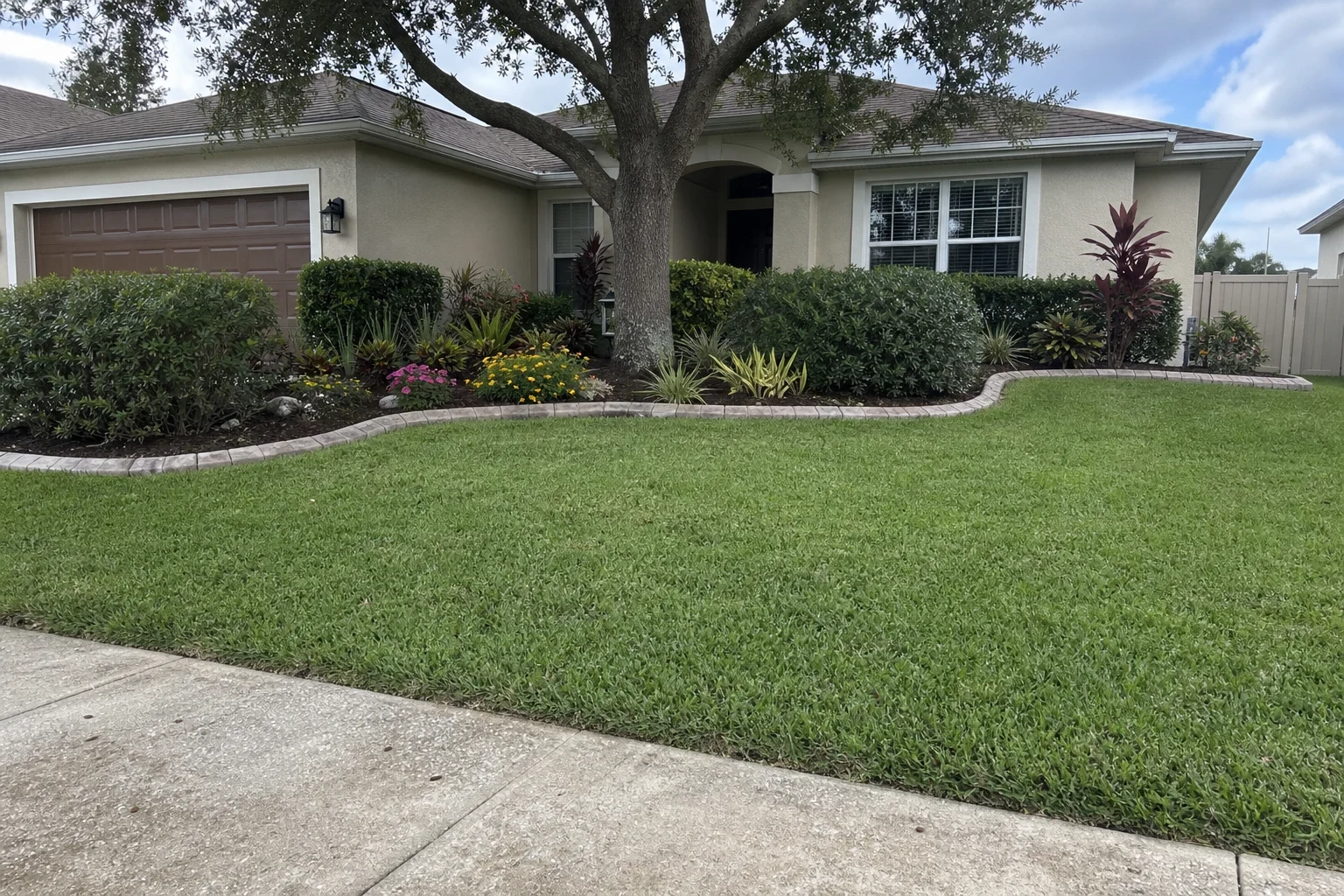
Let's look at your sprinklers together
We'll walk the property with you, run each zone and point out what's worth fixing and what can wait. There's no charge for the visit or the written estimate.