ServicesHardscape Installation
Hardscape Installation in Kissimmee
We build paver patios, walkways, borders and low walls that hold their line long after the first summer. Most of the work you never see: a dug-out, compacted base, edge restraint and a slope that sends rainwater away from your home.
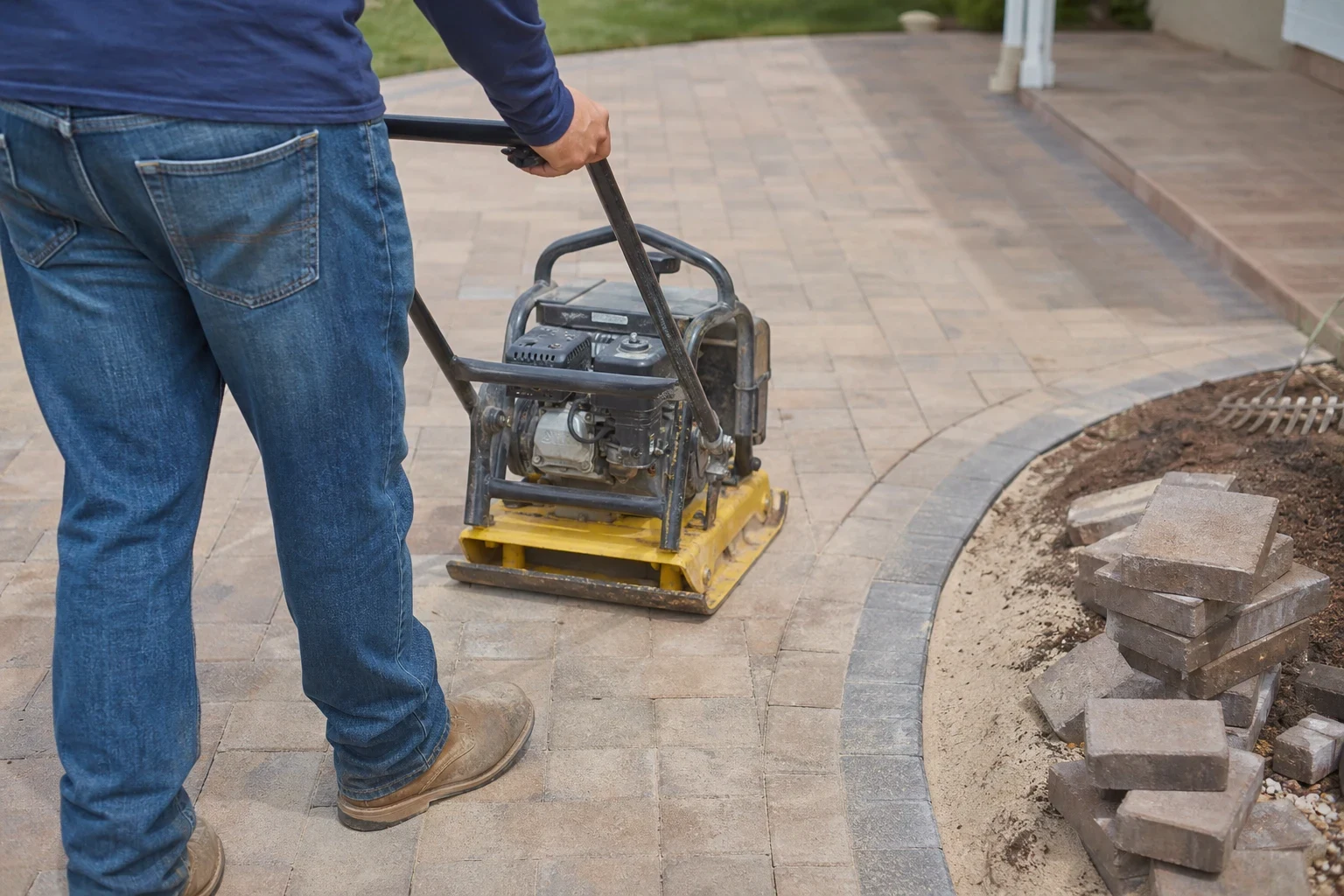
Stonework that starts below the surface
A patio looks finished the day the last paver goes down, but whether it stays that way depends on what sits under it. When pavers are set on nothing more than loose sand, they start to sink and wobble, and weeds find the gaps between them before long. Our approach is different. We dig out the area, compact crushed stone in layers, screed a thin bedding course on top, then hold the whole field in place with edge restraint and swept-in jointing sand.
Central Florida soil is sandy and the summer storms are heavy, so water is the main thing we design around. Every surface gets a gentle fall away from the house and toward a spot where the yard can absorb it.
We are a family-owned business, licensed and in business since 2018. We build hardscape with the expectation that it should need only light care for many years, and we explain that care before we leave.
What a hardscape project includes
- Paver patios
- Concrete pavers or travertine set in the pattern you choose, from a simple running bond to a herringbone that resists shifting under furniture and foot traffic.
- Walkways and garden paths
- Paths from the driveway to the door or out to the back of the yard, sized so two people can walk side by side where it matters.
- Edging and bed borders
- Paver or stone borders that hold mulch in place and give the mower a clean line. They pair well with our mulch and beds service.
- Garden walls for grade and seating
- Interlocking block walls that hold back soil on a sloped yard or give a patio a built-in place to sit. The bottom course goes in below ground on a compacted footing, which keeps the wall standing straight as the seasons pass.
- Fire pit areas
- A block fire pit on a paver pad, with clearance from the house and plantings planned in from the start.
- Drainage details
- Surface slope, gravel strips and, where needed, a buried drain line so water leaves the patio instead of pooling against it.
Signs it is time for new hardscape
Sunken or rocking pavers
Low spots and loose pieces usually mean the original base was thin or never compacted. Resetting a few pavers rarely fixes it for long.
Water standing after rain
Puddles on a patio or against the foundation point to a surface with no fall, or one that has settled toward the house.
A bare track worn into the turf
When the family always takes the same shortcut to the shed or side gate, the grass along that route thins out and never recovers. A proper walkway gives that traffic a home and lets the rest of the lawn fill back in.
Cracked slab you have outgrown
An original small concrete patio can often be removed and replaced with a larger paver area that is easier to repair one piece at a time.
A slope that washes out
Soil and mulch sliding off a grade after every storm is a good case for a low retaining wall.
How the work goes
- 1
Walkthrough and measurements
We come out to study the grade, follow where water runs, find the sprinkler lines and hear what you picture doing out there, from dinners outside to a quiet corner for a fire. Afterward we put the estimate in writing, broken into line items, so every part of the cost is visible.
- 2
Layout and material choice
We mark the outline on the ground and bring paver and block samples so you can see color and texture in your own light. If the project needs a permit or HOA approval, we tell you up front and handle our part of the paperwork.
- 3
Excavation and base
We dig to the depth the base needs, protect or reroute irrigation lines, then compact crushed stone in layers. This is the slowest day and the most important one.
- 4
Laying, cutting and locking
Pavers go down, edges get cut clean and restraint is staked in place. Jointing sand is swept in and compacted so the field locks together.
- 5
Cleanup and care notes
We haul away spoil and offcuts, repair any turf we disturbed and walk you through simple upkeep like topping off joint sand.
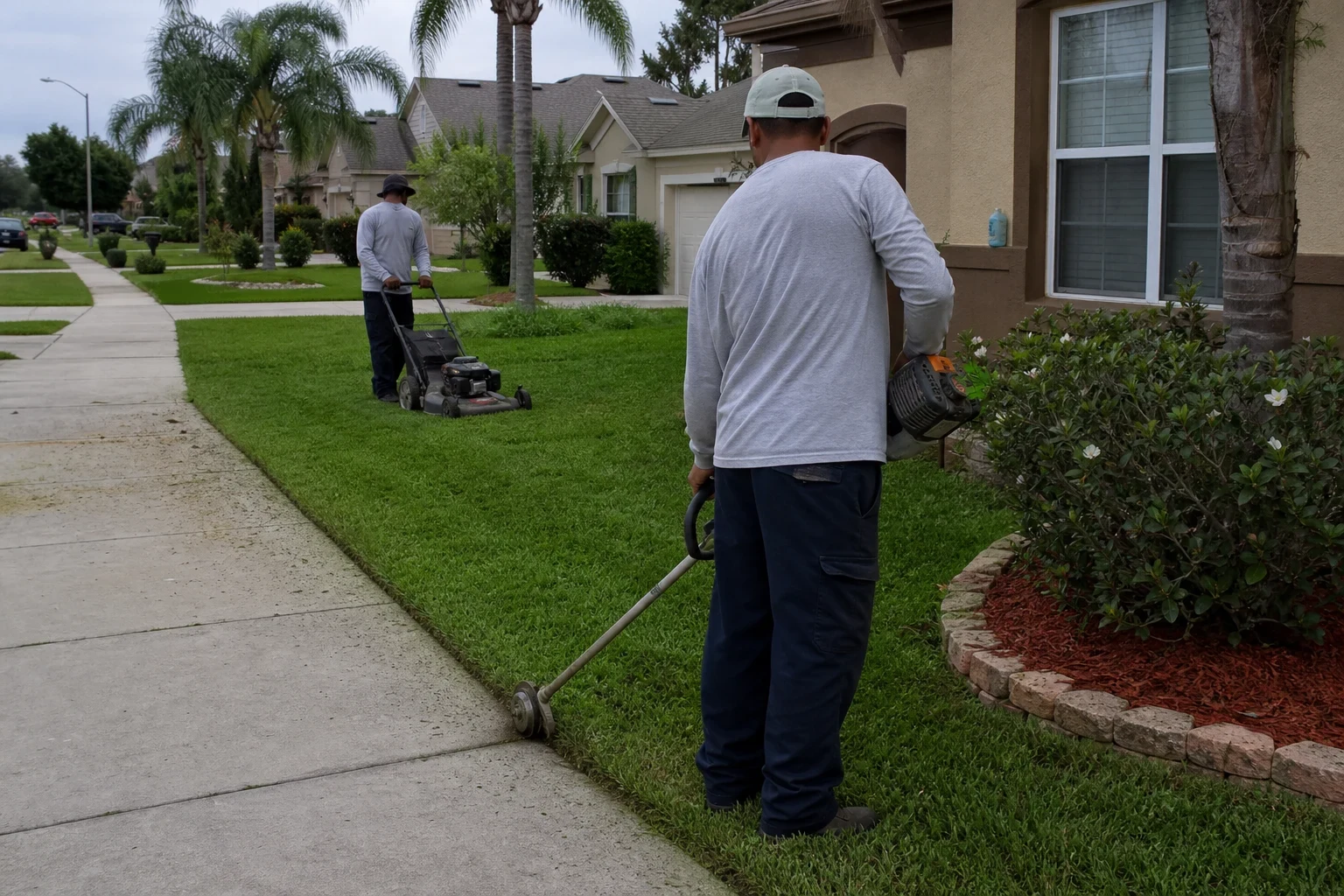
What moves the price
Hardscape is priced by the finished square footage and by everything it takes to get there. Two patios of the same size can differ a good deal once access, soil and material are counted. For larger plans, you can pay over time: we can finance projects as large as $100,000, with terms anywhere from two to twelve years and nothing extra owed if you clear the balance early. Every number starts with the walkthrough.
- Footprint and layout
- A bigger patio means more base and more pavers. Curved edges, steps and inlaid borders also take extra cutting compared with a plain rectangle.
- Material
- Standard concrete pavers, larger format pavers and travertine sit at different price points, and each cuts and lays a little differently.
- Removal and grading
- Tearing out an old slab or moving a lot of soil to level a slope adds labor and hauling before the new base goes in.
- Access
- A wide side gate lets us bring in a compactor and a skid steer. A tight yard means more work by hand and wheelbarrow.
- Walls and drainage
- Retaining walls, buried drain lines and irrigation changes are priced as separate line items so you can weigh each one.
Hardscape questions we hear often
Something not covered here? (407) 972-1906
Pavers or poured concrete for a patio?
We lean toward pavers for most backyards. Concrete can crack as the ground moves, and a crack runs across the whole slab. Pavers flex slightly at the joints, and a damaged or stained piece can be lifted and replaced without breaking up the patio.
How many days will my patio project last?
For an average backyard patio, plan on several working days between the first dig and the last sweep of sand. Adding a wall, tearing out an existing slab or going larger stretches that out. Base work also stops during heavy afternoon storms, because we never compact material that is soaked.
Will the work damage my sprinkler system?
We mark heads and lines during the walkthrough and plan around them. When a line runs under the new patio, we reroute it or sleeve it before the base goes in. If you want broader changes, our irrigation service can adjust zones at the same time.
What upkeep do pavers need?
Very little. Sweep and rinse the surface occasionally, pull any weed that sprouts in a joint and top off jointing sand if it washes low. Catching a settled corner early keeps a small reset from becoming a larger repair.
Can you add plantings around the new patio?
Yes. Many clients pair a patio with new beds or a full plan from our landscape design service, so the stonework, plants and lawn edges are worked out together.
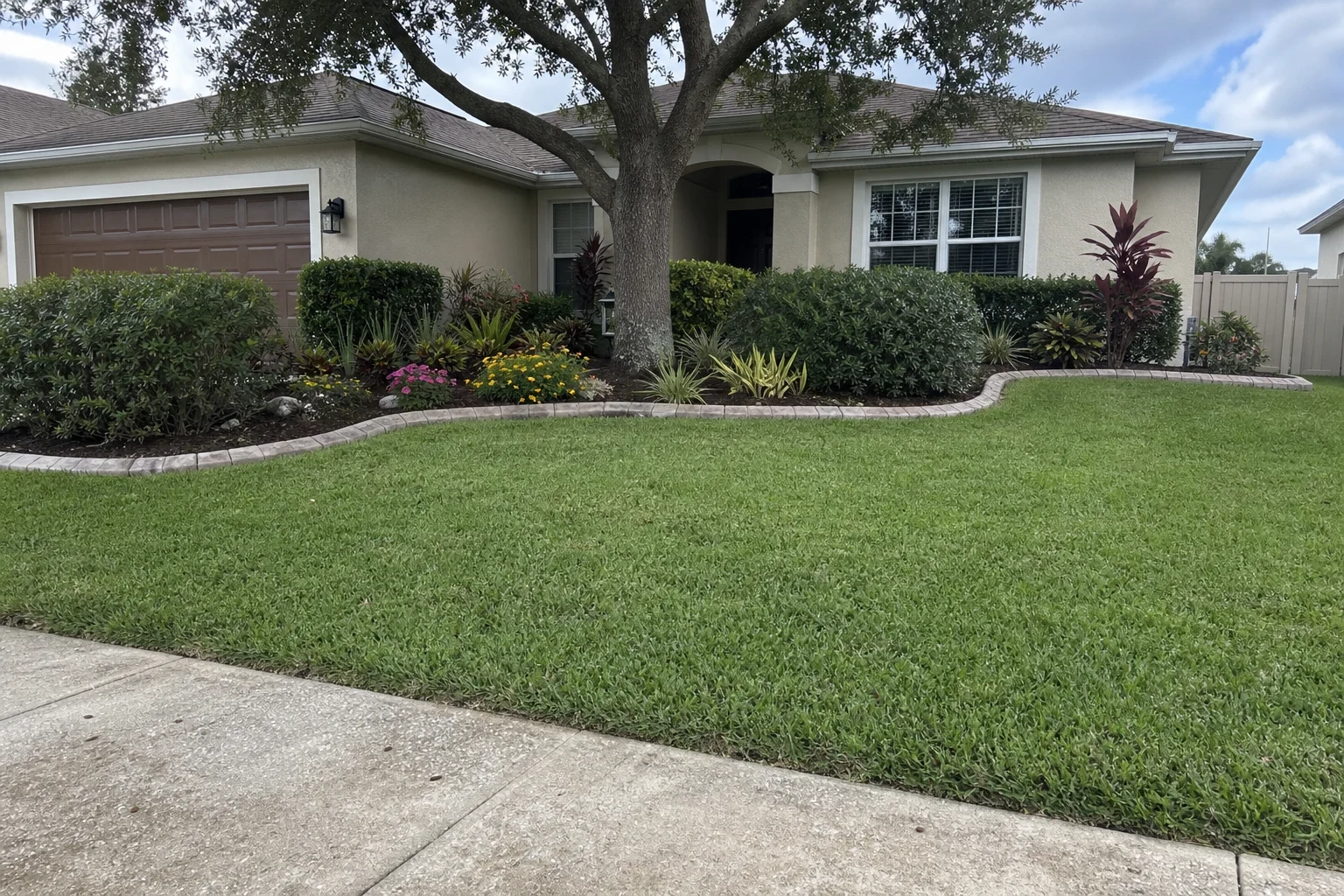
Start with a look at the ground
We will walk your yard, check the grade and drainage, and talk through materials before any number is set. The visit and the estimate are free.